Name the purpose early
A visitor should understand the site before scanning the navigation. The opening section needs a concrete premise, not a slogan that could belong anywhere.
Principles
A website becomes easier to trust when every layer points in the same direction. The headline names the work, the page body supplies context, the image has a meaningful caption, and the structured data repeats the same facts without inventing new ones. Across Website treats those agreements as editorial infrastructure rather than polish added at the end.
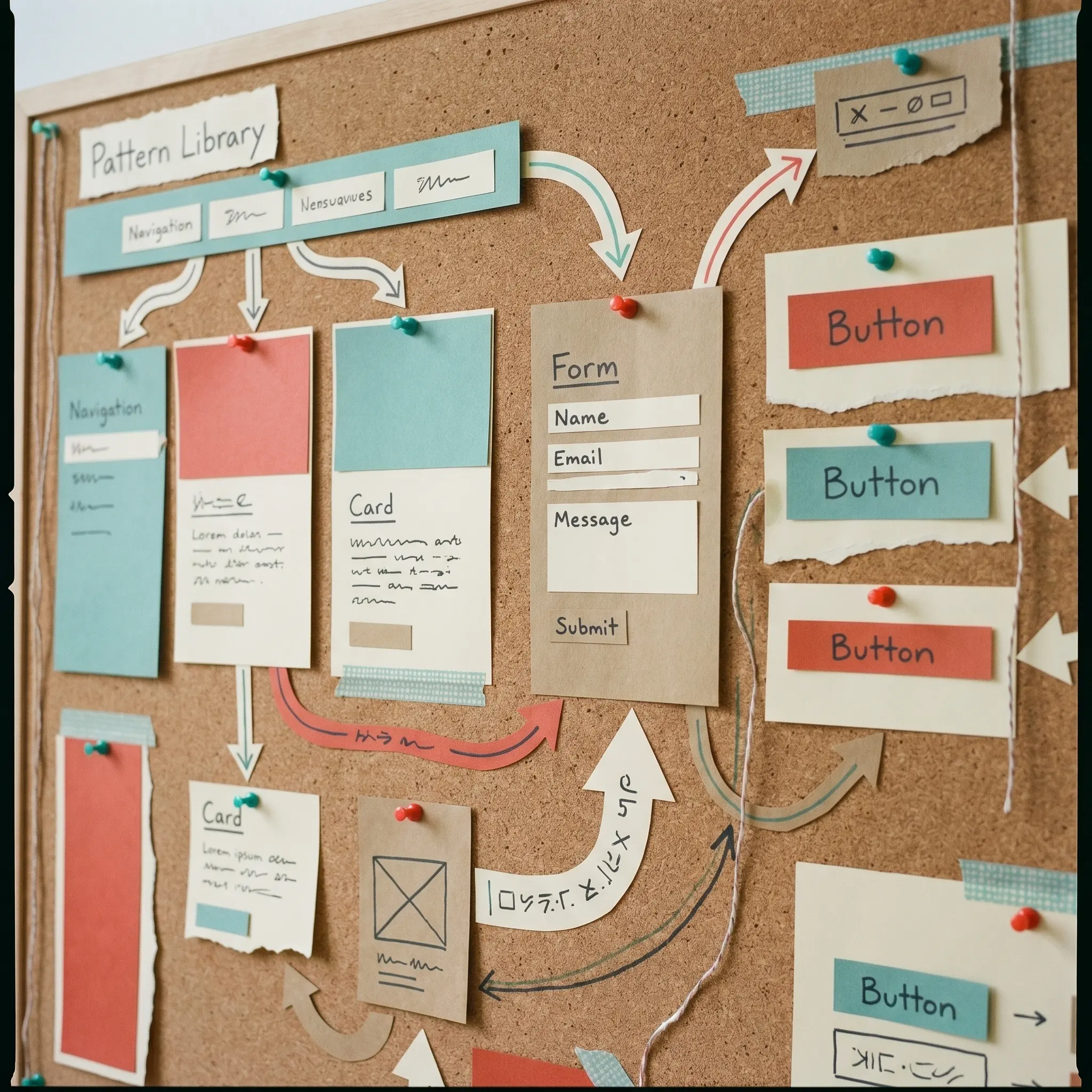
A visitor should understand the site before scanning the navigation. The opening section needs a concrete premise, not a slogan that could belong anywhere.
Pages in the main menu should be substantial enough for a human reader. Crawler routes can exist, but they should not pretend to be editorial destinations.
Titles, descriptions, canonical URLs, dates, and visible body copy should agree. Search snippets and answer citations become safer when the source is internally consistent.
Small sites last longer when updates are predictable. A compact design system, clear content fields, and stable image rules prevent each new article from becoming a redesign.
Open any page and ask whether a careful reader could explain why it exists, who it serves, what evidence it contains, and when it was last meaningful. Then ask whether a crawler receives the same answer through canonical links, article markup, visible dates, and readable HTML. If those answers diverge, the site is asking downstream systems to guess. Across Website pushes the guesswork back into design and editing, where it can be solved deliberately.